
Janus kinase 2: A Computational Case Study of Crucible for new drug leads
Executive Summary
JAK2 is a disease target implicated in cancer, immune disorders, and chronic inflammation
We used Crucible to generate 50 optimized drug leads on a desktop computer
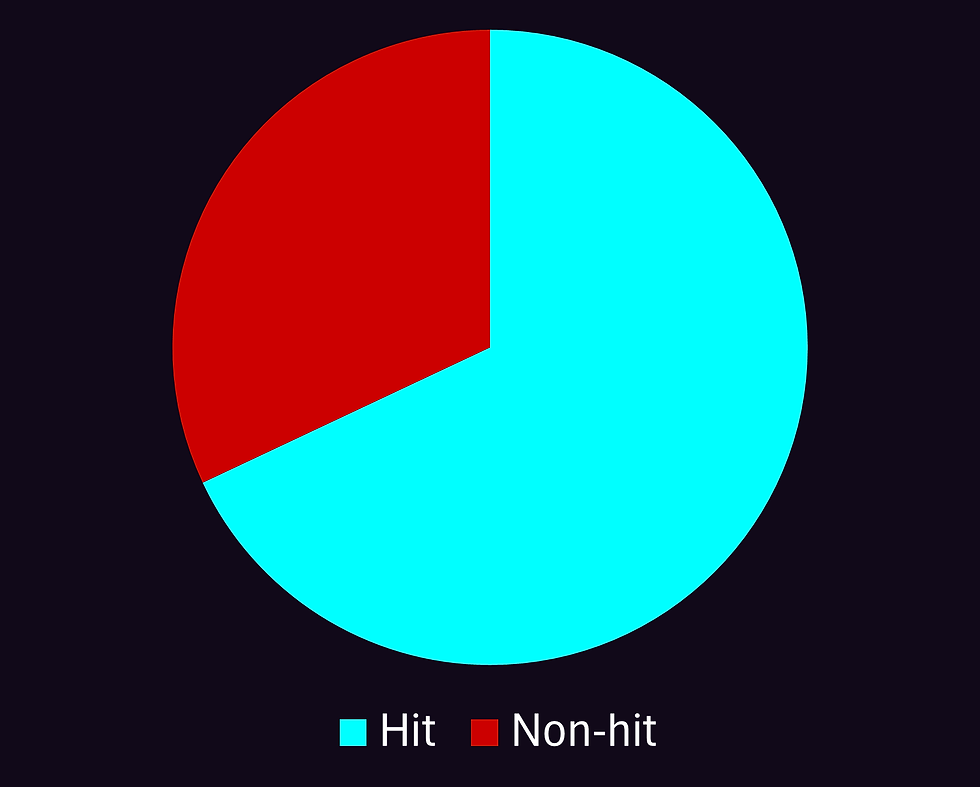
68% of leads tested (34 out of 50) bind to the disease target, JAK2, as well as, or better than on the market drugs, such as abrocitinib
What is JAK2?
JAK2 (Janus kinase 2) is a cytokine and growth-factor signaling protein that controls hematopoiesis, immune function, and inflammation. Aberrant activation of JAK2 drives constitutive signaling that underlies several myeloproliferative neoplasms, leading to uncontrolled cell proliferation, inflammatory symptoms, and disease progression. Beyond oncology, dysregulated JAK2 signaling contributes to autoimmune and inflammatory diseases by amplifying cytokine responses downstream of receptors such as those for erythropoietin, thrombopoietin, and multiple interleukins. Pharmacological inhibition of JAK2 can therefore directly suppress pathological signaling while preserving upstream receptor biology, making it a mechanistically clean intervention point.

Lead Generation in Crucible
To generate optimized leads for JAK2, we cleaned the PDB of JAK2 (PDB ID: 6BBV, Figure 1) for intake into Crucible to generate drug candidates. A total of 50 optimized leads were generated, requiring approximately 24 hours of compute time on a desktop computer (equipped with an Intel i9-14900K, one Nvidia RTX 3080, and 64 Gb of memory). Figure 2 shows sample of optimized structures..

Molecular Dynamics Validation of Crucible-generated Leads
The 50 generated leaders were then subjected to molecular dynamics (MD) simulations to determine how strongly they interact with JAK2. This MD simulation used mmPBSA analysis (Figure 3) (molecular mechanics Poisson Boltzmann Surface Area). An on the market drug, Abrocitinib, was used to provide a point of reference of the quality of the optimized leads in terms of binding affinity. A total of 34 of the 50 leads bound as well as, if not better than, abrocitinib to JAK2, representing a hit rate of 68%. Additionally, all of the 50 leads had favorable drug characteristics in terms of QED.
Conclusion
In conclusion, Crucible is a powerful molecular optimization platform for drug discovery. It requires a low time commitment for compound optimization, relatively low computer power and yields exceptionally high hit rates with favorable molecular properties like QED, SAS, and tPSA.
To learn more information about Crucible, or if you’d like to test any of the optimized leads in your own lab, please contact us here.


Comments